Homeschool organization is a constant challenge. Like most households, homeschoolers deal with the everyday accumulation of laundry, dishes, toys, trash, and mail. In addition, we manage a multitude of school supplies, books, papers, and ongoing projects. A well-organized homeschool allows us to save time, energy, and money so that more of those resources can be utilized for the important task of educating our children.
The PASS Test was developed specifically for home schoolers. It has certain similarities to other achievement tests in that it estimates student achievement in the subjects of reading, language, and math. But is has important differences. It introduces four major improvements over most achievement tests presently available. First, it was designed for parents to administer at home. This can greatly reduce the stress level of testing. Second, it is untimed, which helps students to relax. Third, the student's approximate achievement level within his or her grade is initially identified by use of a brief accompanying placement test. This assigns each child to a test level where he or she is more likely to succeed, and it also allows for shorter tests. Finally, testing results show overall achievement as well as performance in each subject. The test is standardized and children's scores are compared with both national and home-schooling populations. This does not mean that the test is nationally normed, but that the scores are equated to those of public school students taking one of the nationally-normed tests. The states of Alaska, New York, and North Carolina have officially approved the PASS Test for purposes of state reporting. In other states which require testing, you should check with your local school district to make sure it meets their requirements.
This list is an opportunity for homeschoolers to contact homeschooling attorneys and experts about homeschooling legal and litigation issues. It is an informal network of attorneys and legal experts that are concerned with litigation pending and threatened against homeschoolers. Its primary purpose is to exchange legal information within the profession, and to educate and support attorneys and experts involved in homeschool litigation.
A great website for kids to learn about chemistry. Basic chemistry help and information with facts about matter, atoms, elements, the periodic table, reactions and biochemistry.
This article by American Psychological Association Monitor staff writer Bridget Murray, details how psychologists look at families that have chosen to school their children at home. It is a good example of the negative stereotypes and biases towards homeschoolers that can be found in mainstream society. This is a negative critical look at homeschooling, with a bias on looking at what is considered by the educational and medical establishment as the sheltered nature of homeschooling, perceived lack of exposure to diversity, and lack of participation in greater society. This attitude clearly contradicts the experiences, research, and results that the homeschooling community has seen for decades.
Homeschool Social Register is a free networking service for homeschoolers. Individual homeschoolers can add themselves to lists organized by city, county, and state. The Register also helps you to find other homeschoolers and web sites that share your philosophy or interests.
 Homeschool Bravely: How to Squash Doubt, Trust God, and Teach Your Child with Co...
 How to Homeschool: A Step-By-Step Approach 2025
 Their Future Is Shining Bright: A Guide to Homeschooling in High School -- and E...
 How to homeschool the kids you have: Advice from the kitchen table
 How To Homeschool: A Purse-Sized Guide to Getting Started
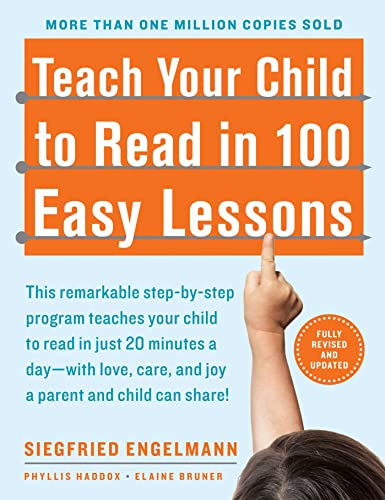
 Teach Your Child to Read in 100 Easy Lessons: Revised and Updated Second Edition...


 Help! How Do I Start a Homeschool Fast? (Helping Homeschool Book 1)
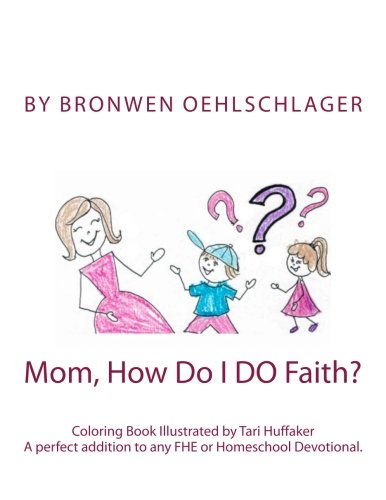
 "Mom, How Do I DO Faith?": A Home-School Friendly Look at the Science ...
 How Many Times Do I Have to Tell You?