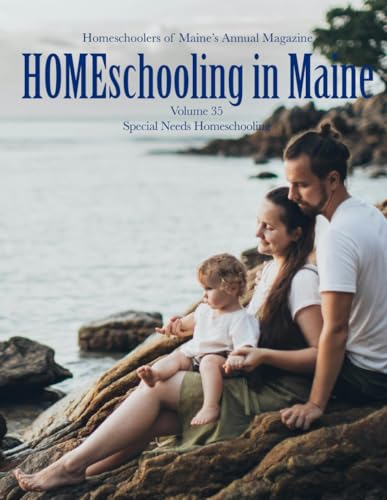
A mother of an exceptional child discusses why homeschooling is the right choice for their family. A personal look at the joys of learning and growing together through an unschooling philosophy of life.
This group is primarily for blind parents who are interested in alternative parenting styles and issues. This includes atachment parenting, family bed, baby-wearing, gentle disipline, loving guidance, breastfeeding, healthy eating and living, health prevention, nonviolence, nonspanking, unschooling or homeschooling, spirituality, and more.
NATHHAN (NATional cHallenged Homeschoolers Associated Network) is a Christian, non-profit organization dedicated to providing encouragement to families with children with special needs that are homeschooling. They publish an online or hard copy quarterly newsletter. They also publish a family directory, updated each year. They have a large lending library by operated by mail.
For those using Charlotte Mason homeschooling methods for special needs children. A wide range of special children are represented on our list, from learning differences to developmental delays, audio and visual processing disorders to deafness and blindness. This list is for the sharing of information related to adapting CM for special needs and for sharing the unique challenges and joys of everyday life with our kids, for support, encouragement and prayer.
Language skills usually evolve naturally in a normal family environment. But what if your child isn't taking to communication as readily as your other kids did? Maybe he isn't talking as much or understanding what he hears. There are fun ways to help kids learn the language skills that come naturally to most people.
Useful information for anyone considering homeschooling a child with Down syndrome.
Video games can play a role in an autistic child's education. Here are some of the therapeutic benefits that can be derived from computer and other games.
A look at some of the positive aspects of ADD-ADHD.
Another Path is a comprehensive guide to homeschooling for parents who are considering homeschooling, or who have decided to homeschool, a deaf or hard of hearing child.
Resources and information on ADD, with a positive look at the condition. The author of this website, Teresa Gallagher, challenges the notion that ADD is a disorder, arguing that it is a normal condition for some people.
Choosing a high school curriculum for a homeschooler can feel daunting. It presents a greater challenge when your child has special needs. This guide will help you choose a homeschool high school curriculum for a student with dyslexia.
Homeschooling Kids With Disabilities offers information and support to people who are homeschooling children with special educational needs.
The BVI-Education mailing list is a list for the discussion of all aspects related to the education of blind, partially sighted and deaf-blind students, as well as visually impaired students with multiple disabilities.
Why is it that so many teachers only remember or concentrate on the negative problems that ADD/ADHD kids have? Why do they always seem to recall that many have non-compliant behavior? Whether you are a teacher or a parent of an ADD/ADHD student, please take the time to learn the positive effects of this disorder also.
A look at using an unschooling approach with children who are highly sensitive and out of sync.
 Homeschooling the Child with Autism: Answers to the Top Questions Parents and Pr...
 Home Schooling Children with Special Needs (3rd Edition)
 Homeschooling Your Child With Special Needs: Practical Support And Encouragement...
 Home Schooling Children With Special Needs
 How to Homeschool Your Autistic Child: Everything You Need to Know to Get Starte...
 Ausome Kidz, Home school Curriculum Guide: A Montessori-Inspired Home Program fo...
 100 Words Kids Need to Read by 2nd Grade


 Number Printables Workbook for Students with Autism and Similar Special Needs